
A Complete Guide to Semi-Trailer Dimensions
January 6, 2022
A Complete Guide to Semi-Trailer Dimensions
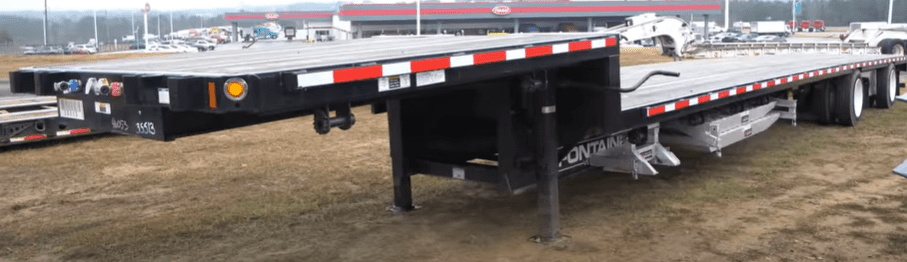
Quick answer: Standard semi-trailer dimensions vary by trailer type, but many common U.S. trailers are 48 to 53 feet long, up to 8 feet 6 inches wide, and are often kept within a loaded legal height of about 13 feet 6 inches. Flatbeds, step-decks, lowboys, and dry vans all serve different load types, so the right option depends on cargo dimensions, weight, route restrictions, and whether permits are required.
Whether you’re a seasoned veteran or just getting started on the road, understanding semi-trailer dimensions is essential for planning routes, checking load fit, avoiding clearance issues, and reducing the risk of costly delays. If you’re wondering how to get up to speed on semi-trailer dimensions quickly and easily, this guide covers the basics in a format built for fast answers.
For most shippers and drivers, the most important measurements are length, width, height, deck height, and weight capacity. Those numbers affect what trailer can safely handle the load, whether the shipment may need special routing or permits, and how easily it can be loaded and unloaded.
SEMI-TRUCK DIMENSIONS QUICK LINKS
Get A Quote | Semi-Trailer Dimensions | Common Trailer Types | How to Choose | Preparation Checklist | Pricing Factors | FAQs
What Is a Semi-Trailer?
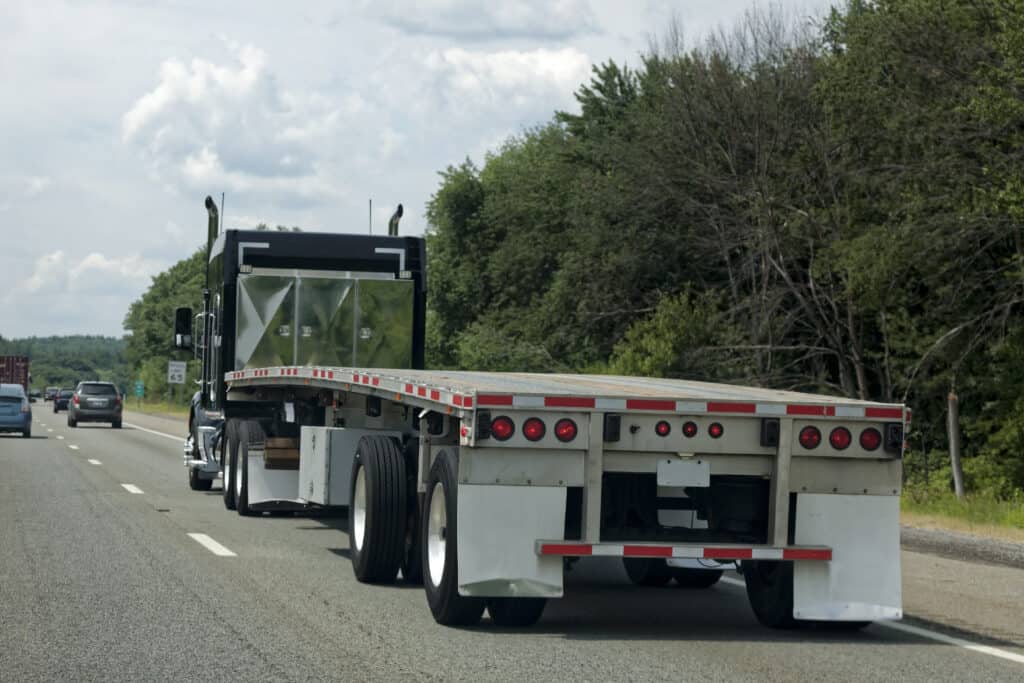
A semi-trailer is the cargo-carrying part of a tractor-trailer combination. Unlike a full trailer, a semi-trailer is designed to be supported in part by the tractor, which is why exact trailer dimensions matter so much for stability, cargo planning, and legal road use.
People may call these vehicles semis, tractor-trailers, big rigs, or eighteen-wheelers, but the core planning questions are usually the same: how long is it, how wide is it, how tall is it, and what type of trailer is best for the load?
What Are Standard Semi-Trailer Dimensions?
Semi trailers have specific dimensions that affect cargo fit, route planning, and equipment selection. The exact numbers vary by trailer style, axle setup, manufacturer, and state rules, but these common U.S. planning ranges are a practical starting point.
| Trailer type | Common trailer length | Common width | Typical height note | Best for |
|---|---|---|---|---|
| Flatbed | 48 to 53 ft. | Up to 8 ft. 6 in. | Open deck; loaded height depends on cargo | Top and side loading, machinery, building materials |
| Step-deck | 48 to 53 ft. | Up to 8 ft. 6 in. | Lower deck helps accommodate taller freight | Loads that need more vertical clearance than a flatbed |
| Lowboy | Varies by configuration | Up to 8 ft. 6 in. standard deck width | Very low deck for taller or heavier equipment | Construction and industrial equipment |
| Dry van | 48 to 53 ft. | Up to 8 ft. 6 in. | Enclosed trailer; interior height varies by model | Palletized, boxed, and weather-sensitive freight |
Note: exact legal dimensions and loaded height can vary by route, state, trailer build, axle setup, and permit requirements.
How long is a semi trailer?
Many standard semi trailers are 48 or 53 feet long, although exact trailer length depends on the trailer type and configuration.
How wide is a semi trailer?
A standard semi trailer is usually up to 8 feet 6 inches wide before any special permit rules apply.
How tall is a semi trailer?
Trailer height depends on the trailer style and cargo, but common legal loaded height is about 13 feet 6 inches in many U.S. routes.
What is the total length of a tractor trailer?
Overall tractor-trailer length varies by tractor wheelbase, trailer length, and state rules, but many common combinations fall around 70 to 80 feet.
What Are the Most Common Semi-Trailer Types?
The semi-trailer dimensions that matter most depend on the type of freight being moved. Below are four common trailer categories and when each one makes sense.
Flatbed
A flatbed semi trailer has an open deck that makes top and side loading easier for freight that does not need enclosure. Flatbeds are often chosen for oversized items, machinery, steel, building materials, and loads that need flexible loading access.
Flatbed trailers are a practical option for transporting heavy equipment, and you can compare common measurements in this related guide to flatbed freight dimensions.
Lowboy
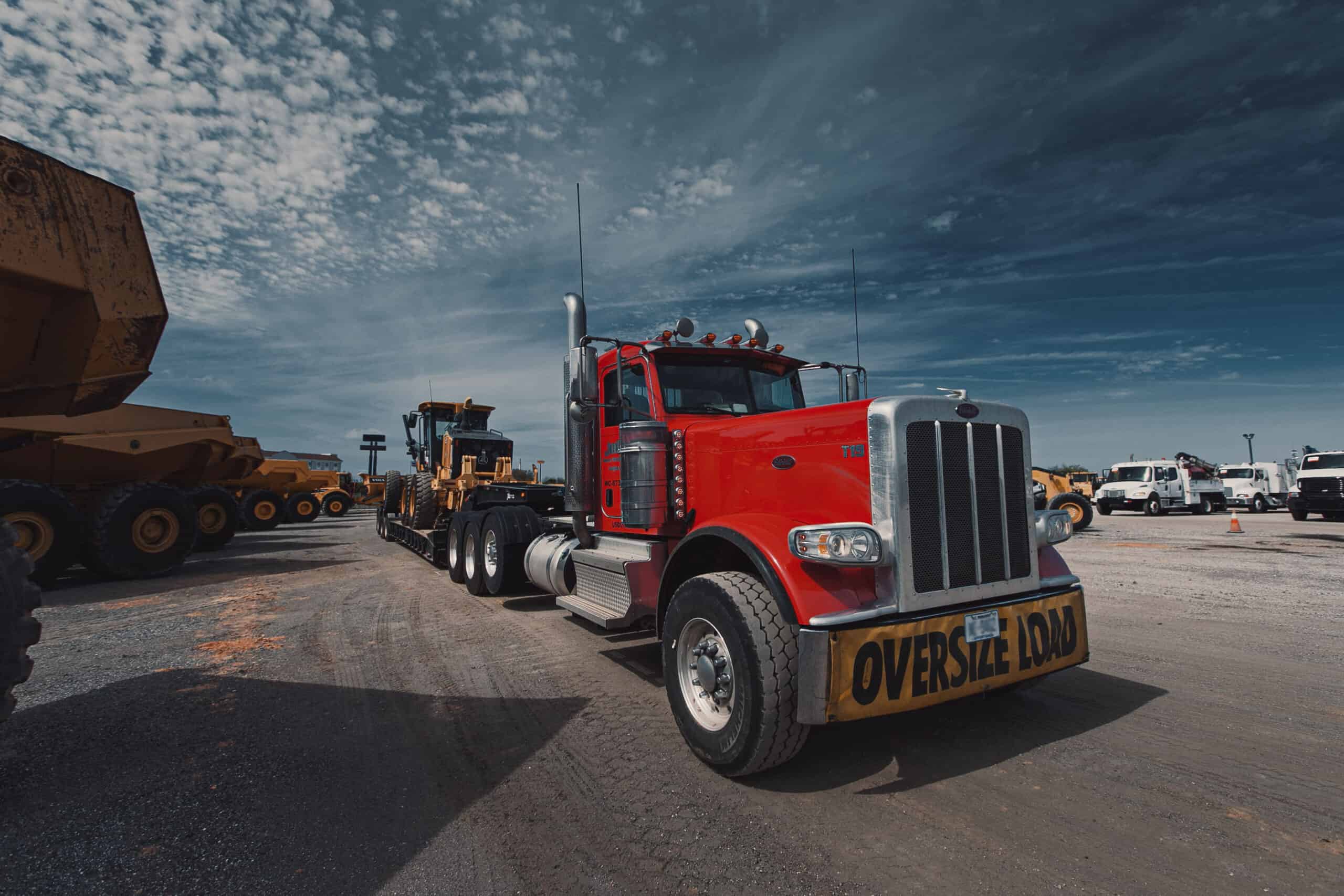
Lowboy trailers use a much lower deck height than standard trailers, which helps accommodate taller and heavier equipment. They are often considered when the load would sit too high on a flatbed or step-deck, or when weight distribution is a major concern.
Lowboy trailers can transport many types of heavy equipment, but exact deck length, axle count, and permit needs vary. For a broader comparison and terminology refresher, see these common questions about lowboy trailers.
Step-deck
The step deck trailer is designed with an upper deck and a lower deck, which gives shippers more usable cargo height than a flatbed in many situations. That makes it a common choice for tall freight that still needs an open trailer.
If step-deck is one of your main options, this companion guide on step-deck trailer dimensions, weight, and load capacity can help you compare specs more closely.
Dry van
Dry vans are enclosed trailers used for freight that benefits from weather protection and secure loading. They are common for palletized goods, packaged freight, consumer products, and other shipments that do not need an open deck.
How Do You Choose the Right Trailer Dimensions?
Choosing the right trailer is not just about trailer length. It also depends on cargo width, loaded height, weight, loading method, and any route or site limitations.
- Measure the load accurately: Confirm overall length, width, height, and shipping weight before requesting quotes.
- Consider the loading method: Open-deck trailers are useful when freight must be loaded from above or the side.
- Match deck height to cargo height: Taller equipment may fit better on a step-deck or lowboy than on a flatbed.
- Review route limits: Bridges, overpasses, local roads, and state rules can change what trailer works best.
- Account for permits: Overheight, overwidth, overlength, or overweight shipments may require permits or escorts.
- Check handling requirements: Fragile, irregular, or difficult-to-secure freight may need a different trailer style.
Two important terms to keep in mind are GVWR and GCWR. GVWR is the maximum allowable weight for the vehicle or trailer setup, while GCWR refers to the combined allowable weight of the tractor and trailer together. Both numbers matter when checking whether a specific trailer can safely handle a load.
Preparation Checklist Before You Book Transport
A little prep can make semi-trailer selection much easier and help produce more accurate quotes.
- Record the cargo’s exact length, width, height, and weight.
- Note whether the item is stackable, palletized, crated, or irregularly shaped.
- Confirm whether the freight is running, rolling, or needs lifting equipment.
- Check pickup and delivery access, including dock height, gate width, and site clearance.
- Gather photos if the shipment has unusual dimensions or securement needs.
- Ask early about permits, escorts, route surveys, or timing constraints if the load is oversized.
What Affects Semi-Trailer Pricing?
Pricing depends on more than distance alone. Semi-trailer transport costs usually change based on the trailer type, shipment dimensions, loaded weight, pickup and delivery locations, timing, seasonality, and whether permits or escorts are required.
- Trailer type: Specialized trailers such as lowboys and certain step-decks can cost more than standard options.
- Dimensions and weight: Larger or heavier shipments may require extra planning, permits, or reduced routing options.
- Origin and destination: Urban access, remote delivery points, and route complexity can affect total cost.
- Loading and unloading: Crane, forklift, winch, or ramp needs may increase handling complexity.
- Timing: Rush shipments and seasonal capacity swings can affect quote levels.
Semi-Trailer Dimensions FAQs
What are standard semi-trailer dimensions?
Standard semi-trailer dimensions vary by trailer type, but many common U.S. trailers are 48 to 53 feet long, up to 8 feet 6 inches wide, and are often kept within a loaded legal height of about 13 feet 6 inches.
How long is a semi trailer?
Many standard semi trailers are 48 or 53 feet long, although exact trailer length depends on the trailer type and configuration.
How wide is a semi trailer?
A standard semi trailer is usually up to 8 feet 6 inches wide before any special permit rules apply.
How tall is a semi trailer?
Trailer height depends on the trailer style and cargo, but common legal loaded height is about 13 feet 6 inches in many U.S. routes.
What is the total length of a tractor trailer?
Overall tractor-trailer length varies by tractor wheelbase, trailer length, and state rules, but many common combinations fall around 70 to 80 feet.
What is the difference between a flatbed, step-deck, lowboy, and dry van?
Flatbeds offer open-deck loading, step-decks provide extra cargo height, lowboys handle taller or heavier equipment, and dry vans protect enclosed freight.
Let VeriTread Help You!
VeriTread can help you compare freight quotes and connect with vetted, insured carriers for many kinds of heavy haul and equipment shipments. Final pricing, routing, permits, and carrier availability depend on the shipment details, route, and timing.
VeriTread makes it easy to request freight quotes with your shipment specs in one place. Our extensive specs and dimensions database of 60,000+ items helps reduce manual research so you can focus on moving equipment safely and efficiently.
Follow these easy steps and you will receive a quote in under one minute:
- Enter a Manufacturer & Model
- Verify or Edit Your Machine Dimensions
- Enter Pickup & Drop Off Locations
- Your Quote is Ready!
Getting started with VeriTread is easy. You can visit our contact form or call (800) 880-0468 or (863) 226-0903 for international calls.
veritread products
Top Articles
Freight Types
recent posts
January 17, 2025
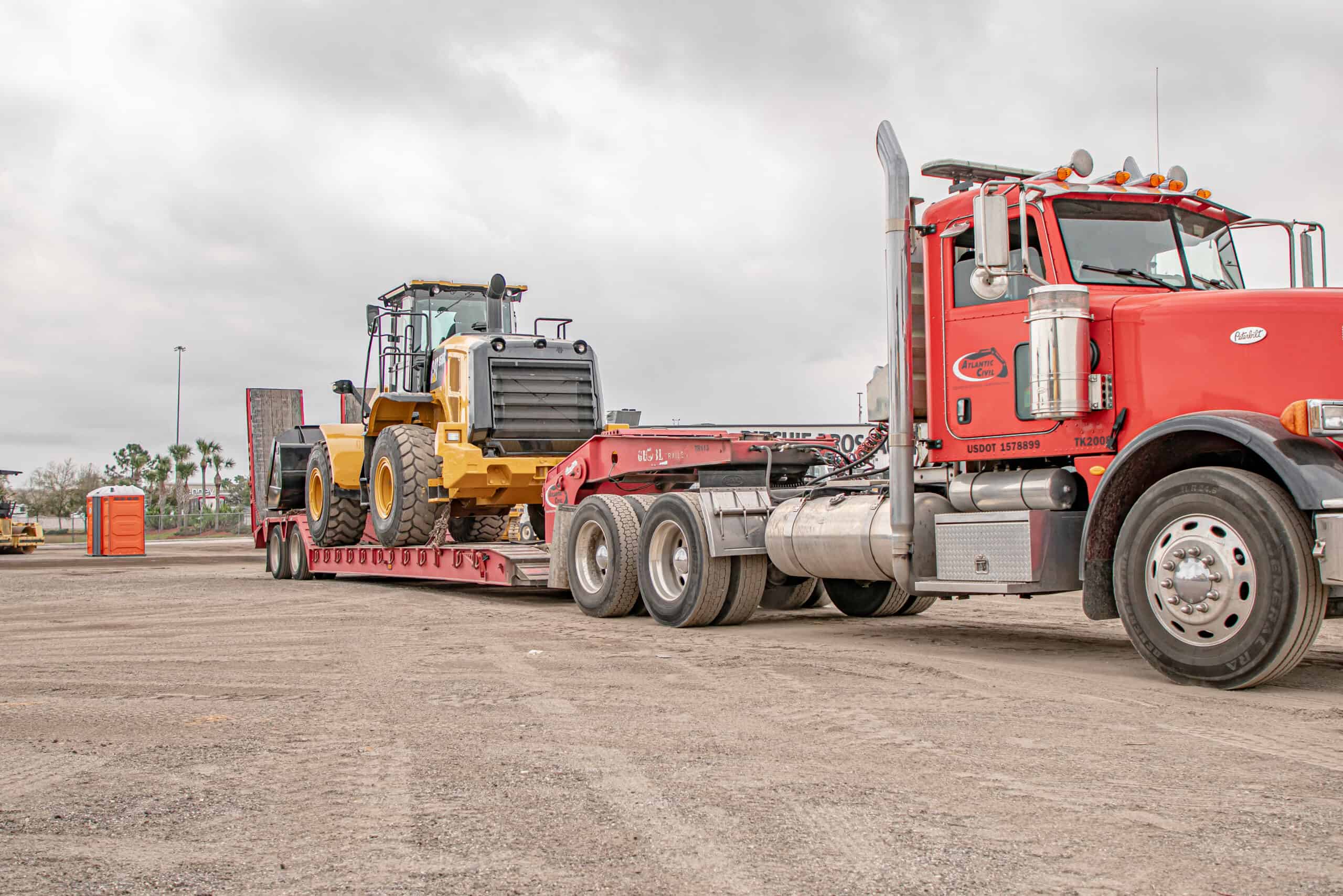
Understanding Equipment Transport Services
When you need to move heavy machinery, large vehicles, or other specialized equipment, finding the right transportation service can
January 17, 2025
Understanding Load Board Prices
Quick answer: Load board prices usually depend on the access level you choose, the search and rate tools included, broker-vetting
January 17, 2025
Choosing the Best Equipment Hauling Companies
Quick answer: Equipment hauling companies move heavy machinery, construction equipment, farm equipment, and oversized loads by matching the shipment to