
Your Guide to Boat Transport Regulations and Permits
September 5, 2023
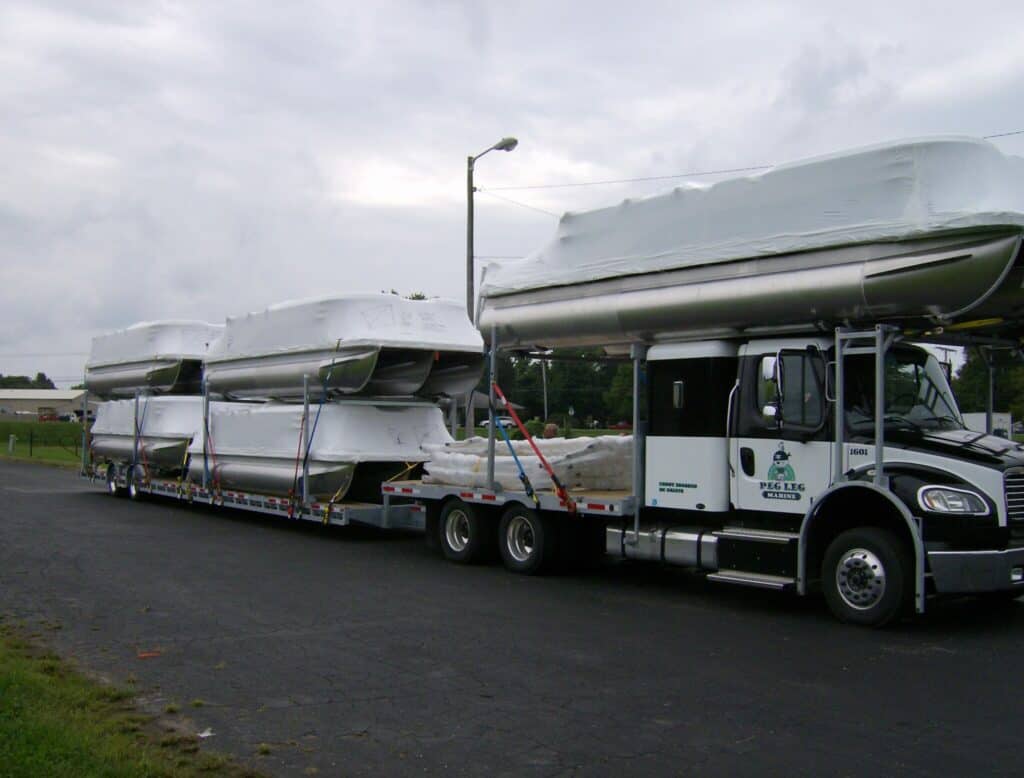
Boat transport regulations cover permits, documentation, customs rules, and safety requirements that apply whenever a vessel moves on public roads or across borders.
Understanding which permits you need, how customs treats your boat, and how hazardous materials are handled helps you plan compliant moves and avoid unexpected delays or penalties.
Boat transportation is not just about securing your vessel on a trailer and hitting the road. It’s a process that involves navigating through a sea of regulations, permits, and documentation. Whether you’re moving your boat domestically or internationally, it’s crucial to understand and comply with all relevant rules to ensure a smooth and legal transport process. In this article, we will explore the necessary permits and documentation for boat transport, how customs regulations affect boat transport across borders, special considerations for boats with hazardous materials, and how to obtain the required permits and stay up-to-date with changes in boat transport regulations.
Outline:
- What Permits and Documentation are Required for Boat Transport?
- How do Customs Regulations Affect Boat Transport Across Borders?
- Are there any Special Considerations for Transporting Boats with Hazardous Materials?
- How do I Obtain the Necessary Permits and Documentation for my Boat Transport?
- How can I Stay up-to-date with Changes in Boat Transport Regulations?
What Permits and Documentation are Required for Boat Transport?
When transporting a boat, various permits and documents are typically required, including ownership documents, registration, transport permits when applicable, and proof of insurance coverage for the move.
When transporting a boat, various permits and documents are typically required:
- Ownership Documents: Proof of ownership, such as a bill of sale or title, is essential.
- Registration: Your boat should be registered in the state where it’s primarily used.
- Transport Permits: Depending on the size of your boat and the route of transport, special permits may be needed due to size or weight restrictions on roads.
- Insurance Documents: Proof of insurance coverage for transport is also necessary.
How do Customs Regulations Affect Boat Transport Across Borders?
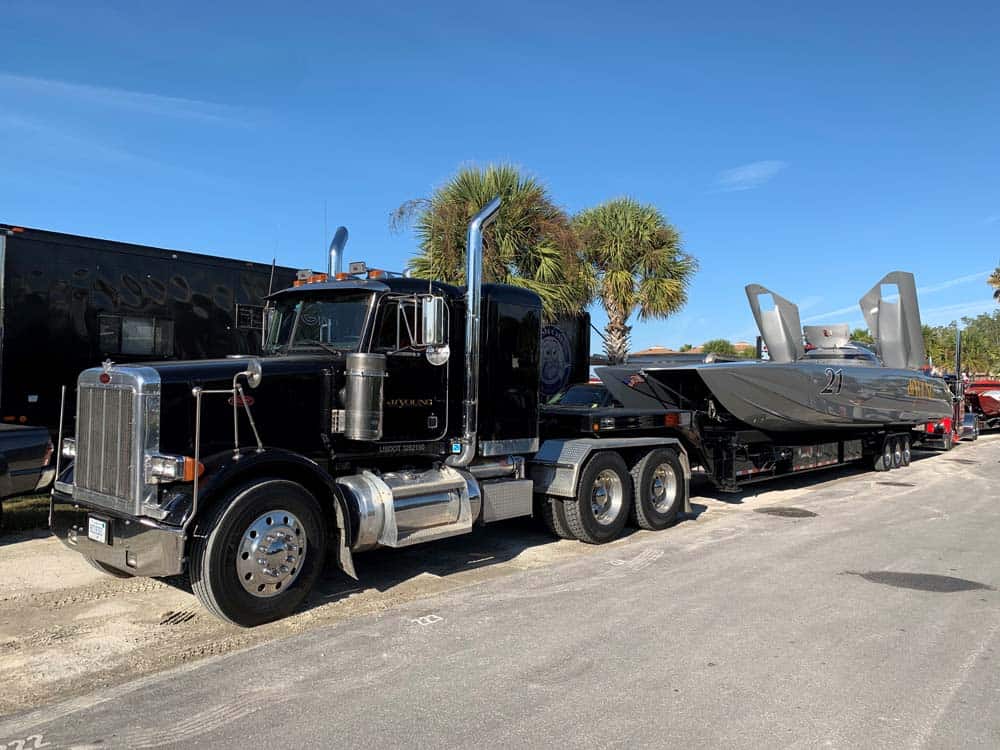
When transporting a boat across international borders, customs regulations require detailed information about the vessel, its value, and intended use, and some countries may apply duties or have specific import requirements or restrictions.
When transporting a boat across international borders, customs regulations come into play. You’ll need to provide detailed information about your boat, including its value, for customs duties calculations. Additionally, certain countries may have specific requirements or prohibitions on importing boats.
Are there any Special Considerations for Transporting Boats with Hazardous Materials?
If your boat contains hazardous materials such as fuel, batteries, or chemicals, additional regulations on packaging, labeling, and handling may apply, and extra permits or documentation may be required.
If your boat contains hazardous materials, such as certain types of fuel or batteries, additional regulations may apply. These could include special packaging or handling requirements, and additional permits may be necessary.
How do I Obtain the Necessary Permits and Documentation for my Boat Transport?
Obtaining boat transport permits and documentation is often done online or through local agencies, but complex moves may benefit from assistance from professional boat transport services or customs brokers familiar with the process.
Obtaining the necessary permits and documentation for boat transport can often be done online or at local government offices. For complex situations, such as international transport or boats with hazardous materials, you may want to consider hiring a professional boat transport service or customs broker to assist you.
How can I Stay up-to-date with Changes in Boat Transport Regulations?
Boat transport regulations can change over time, so staying up-to-date by following boating associations, government agencies, and industry news sources helps you keep your moves compliant.
Boat transport regulations can change, so it’s important to stay up-to-date. Subscribing to newsletters from boating associations or government agencies, attending boat shows and seminars, and regularly checking relevant websites can help you stay informed.
In conclusion, while boat transport can seem daunting with its myriad of regulations, permits, and documentation, it doesn’t have to be. With proper preparation and a commitment to staying informed, you can navigate these paper seas like a seasoned captain, ensuring your vessel reaches its destination safely and legally.
Making Informed Decisions When Shipping Your Boat
Shipping your boat can be an intimidating process, but with the right knowledge and preparation, you can ensure a successful delivery. Understanding freight costs, researching carriers carefully, preparing your boat for transport, selecting appropriate insurance and finding reliable carriers are all important steps to take when transporting your boat. By following these tips outlined in this article, you will have peace of mind knowing that you’ve made informed decisions during the entire process. If you have any questions contact us at (800) 880-0468 or (863) 226-0903 and let our team of experts help you with your transport needs. With VeriTread’s vetted carriers experienced in automotive transports, listing your shipment is easy and hassle-free. So don’t wait any longer – get started today!
For a broader overview of the boat transport process and how regulations connect to budgeting and planning, you can also review our
boat transport overview and boat transport costs guide, or explore all service options on our freight options page.
veritread products
Top Articles
Freight Types
recent posts
January 17, 2025
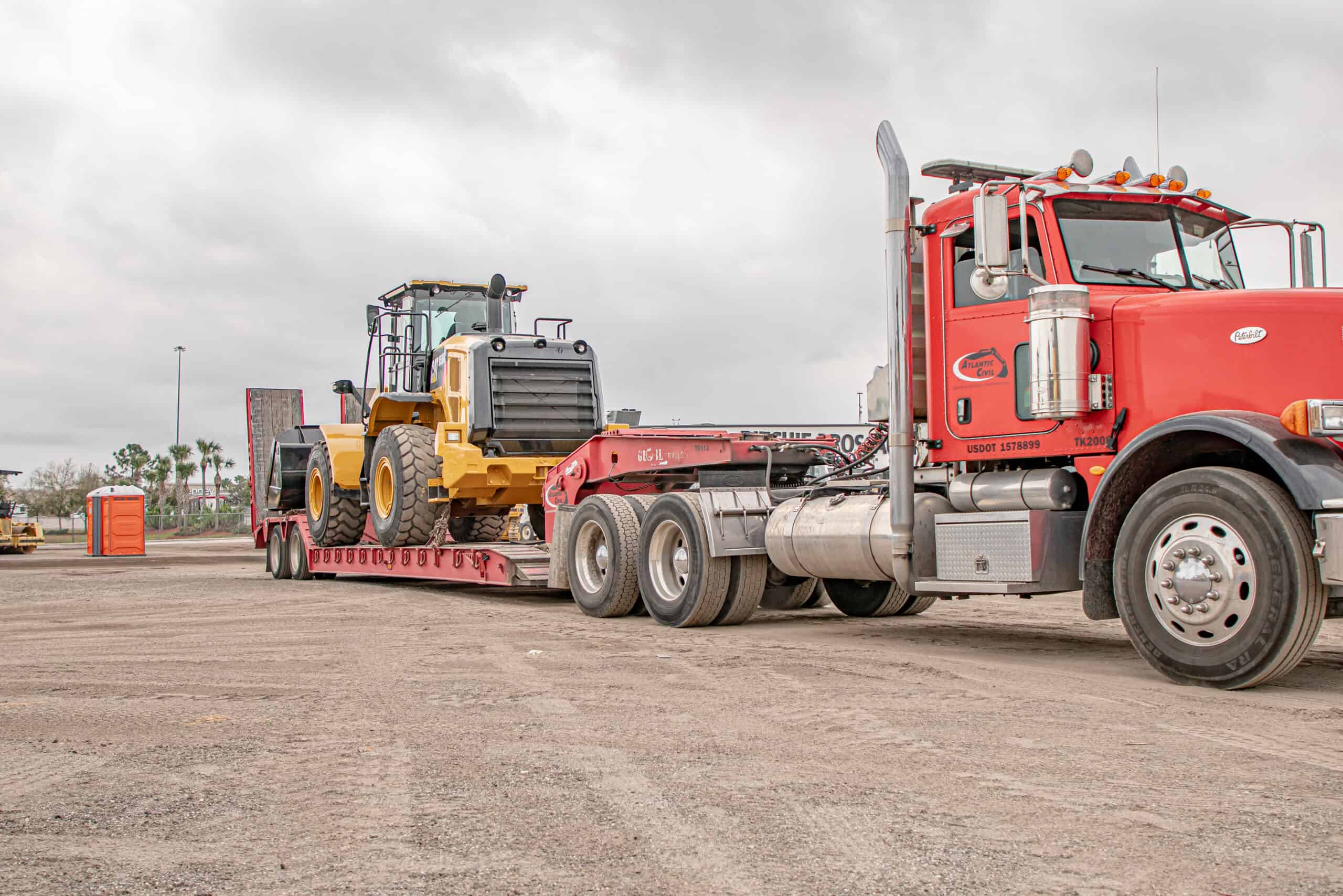
Understanding Equipment Transport Services
When you need to move heavy machinery, large vehicles, or other specialized equipment, finding the right transportation service can
January 17, 2025
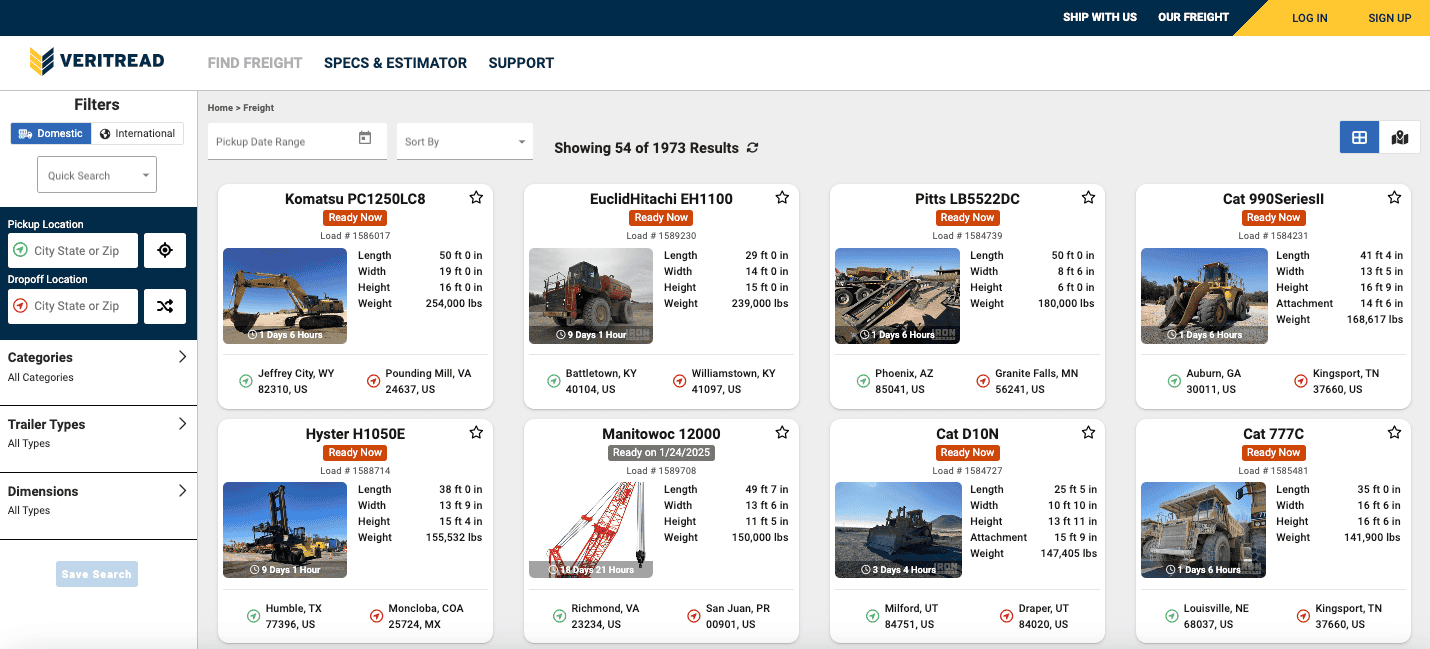
Understanding Load Board Prices
Quick answer: Load board prices usually depend on the access level you choose, the search and rate tools included, broker-vetting
January 17, 2025
Choosing the Best Equipment Hauling Companies
Quick answer: Equipment hauling companies move heavy machinery, construction equipment, farm equipment, and oversized loads by matching the shipment to