
Hotshot Trucking: The Path to Profitable Hauling
May 25, 2023
By VeriTread Editor • Last updated
Questions? Call (800) 880-0468 or (863) 226-0903
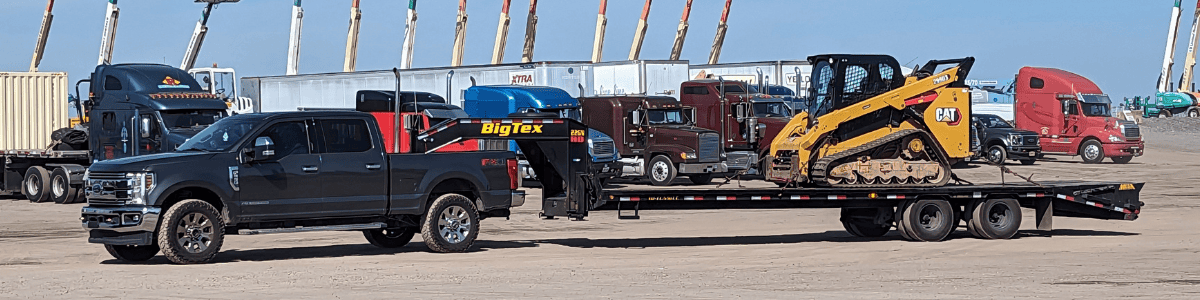
Hotshot trucking can be profitable when you match the right equipment to the right loads, control operating costs, and keep your trailer moving with consistent freight.
Key profit levers: rates per mile, deadhead miles, load type (specialized/time-sensitive), fuel/maintenance, insurance, and how fast you get paid.
Are you ready to hit the open road and become your own boss? Hotshot trucking offers an opportunity for entrepreneurs seeking independence and a chance to build a hauling business. But what does it really take to make money in the hotshot trucking industry? Below, we break down typical startup costs, higher-paying load types, payment timing, and the factors that can impact profit.
Outline:
What Actually Drives Hotshot Trucking Profit?
- Rate vs. cost per mile: profit depends on what you earn per mile compared to fuel, maintenance, insurance, and repairs.
- Deadhead miles: fewer empty miles usually improves take-home profit.
- Load type: specialized or time-sensitive freight may pay more, but can require higher costs and tighter execution.
- Equipment match: the right truck/trailer combo helps you qualify for more loads and avoid overweight/permit issues.
- Cash flow: how quickly you get paid affects how many loads you can run without financing gaps.
How Much Investment Money Would You Need to Get Into Hotshot Trucking?
The amount of money you need to get into hotshot trucking varies depending on factors like the truck you buy, the trailer you tow, and insurance. As a general (non-guaranteed) ballpark, many new operators plan for $50,000–$100,000 when factoring in the truck, trailer, insurance, fuel, maintenance, and registration. You will also need to factor in permits and licenses (which can vary by state and the loads you haul).
Tip: equipment choice impacts both earnings and compliance. If you’re still deciding on trailer sizing, see: Hotshot trailer sizes (CDL vs non-CDL) and weight limits.
What Hotshot Loads Pay The Most?
The hotshot loads that pay the most are often time-sensitive or require specialized equipment. Some examples commonly discussed in the industry include:
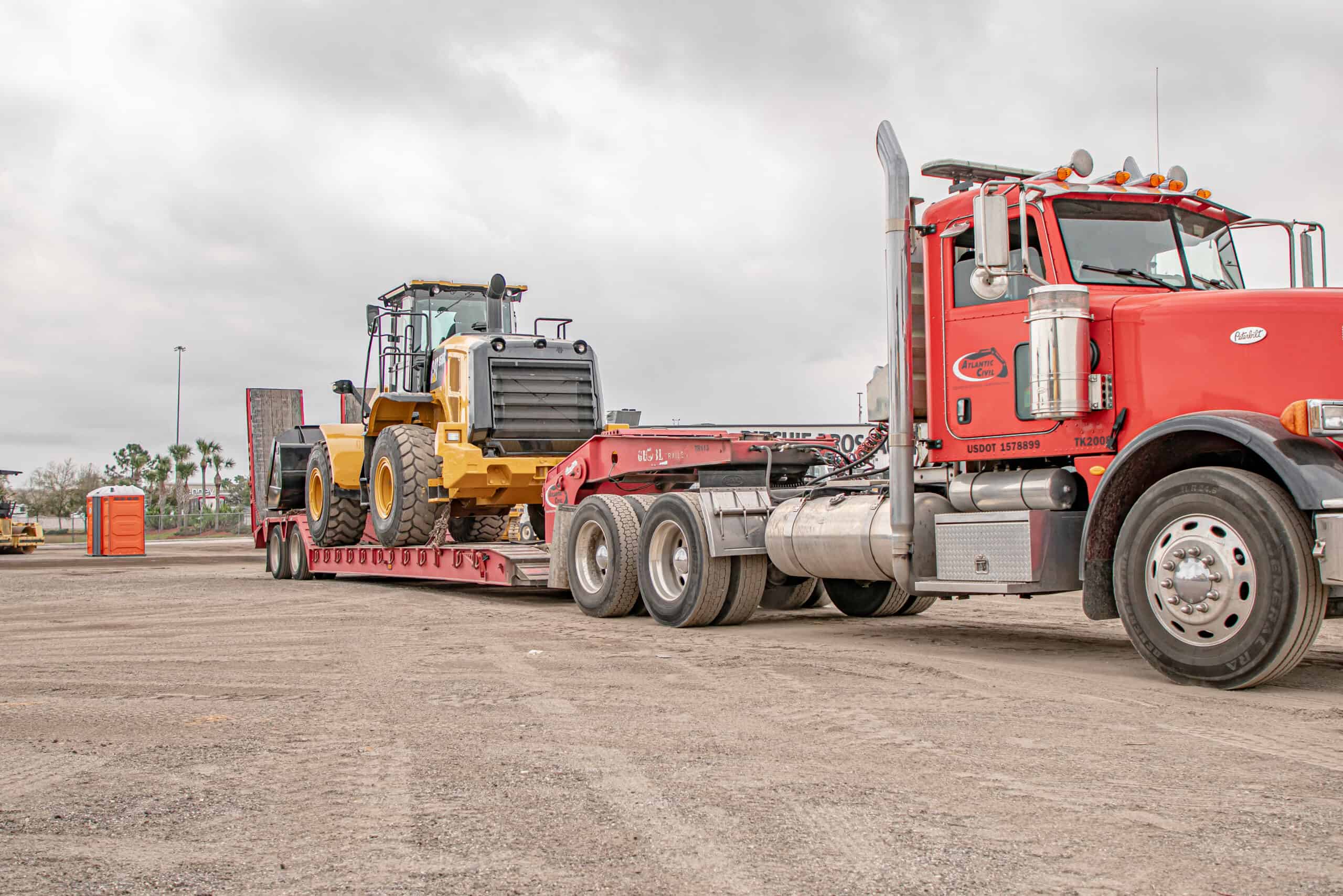
- Construction equipment: transporting excavators, bulldozers, and backhoes can pay well when schedules are tight.
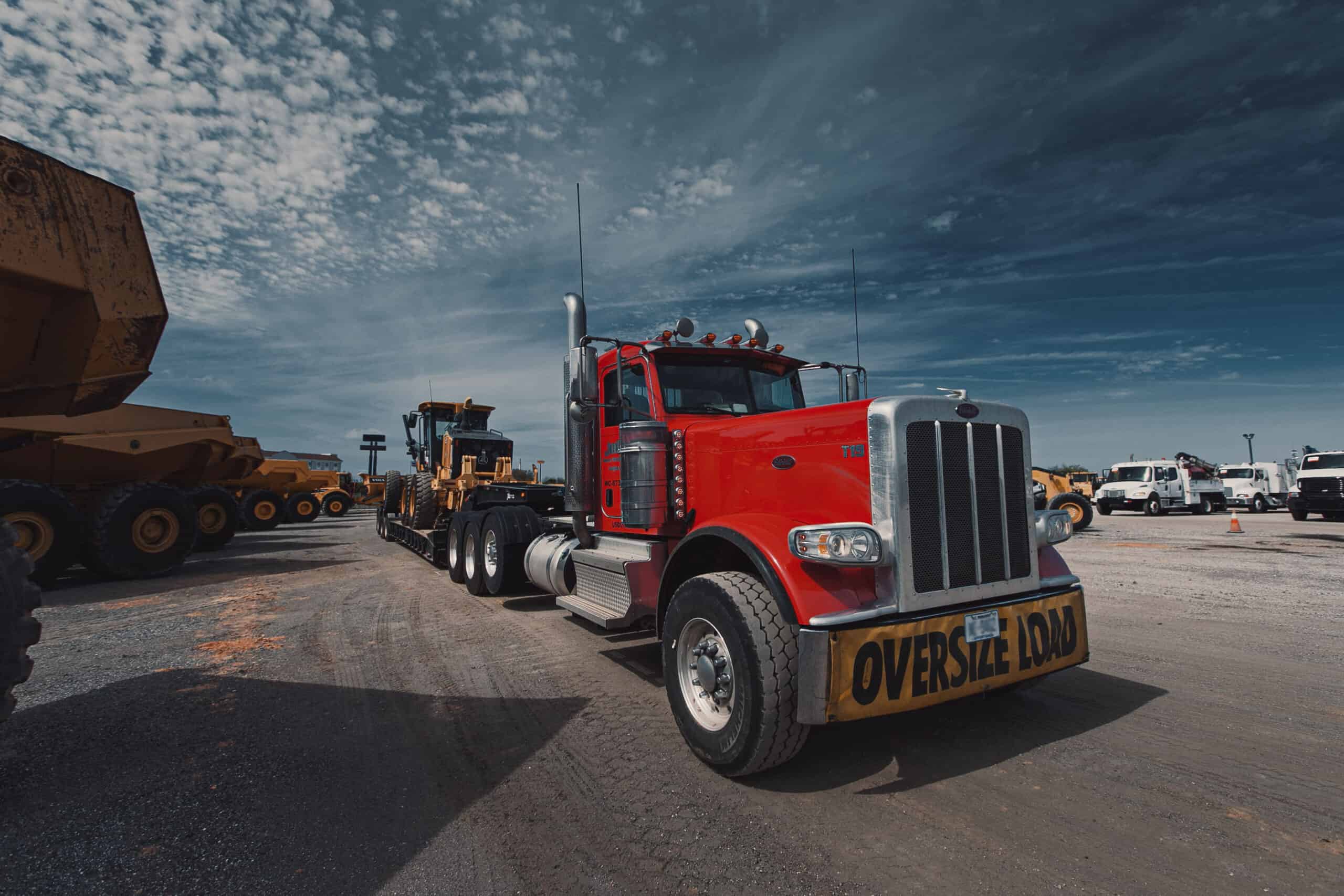
- Oversized loads: may command higher rates due to specialized securement, routing, permits, and experience.
- Hazardous materials: may pay more, but typically requires additional qualifications/permits and strict compliance.
Pay varies with distance, load dimensions/weight, urgency, seasonality, and your equipment. To expand your load-matching options, also review: Hotshot trucking: the ultimate load hauling guide.
How Long Does It Take to Get Paid From a Hotshot Load?
Payment timing depends on the load terms, broker/shipper agreement, and the carrier’s billing process. In many cases, once a load is delivered and paperwork is submitted, payment can follow common terms like net 15 or net 30 (varies by agreement).
Cash-flow note: faster pay can help you run more consistently, but always verify the terms before you haul. If you’re comparing ways to find freight, see: How to find the best hot shot freight brokers.
How Much Does The Average Hotshot Profit?
“Average profit” depends heavily on load volume, rates, deadhead miles, operating costs, and equipment reliability. As a broad, non-guaranteed range, some operators report annual income figures such as $60,000–$120,000, with higher outcomes possible for specialized operations. Keep in mind: hotshot trucking is a business—your real profit is what remains after fuel, maintenance, insurance, repairs, and downtime.
- Increase profit by reducing empty miles, improving load selection, and controlling maintenance/repair surprises.
- Protect profit by staying compliant (weight limits, securement, permits when required).
Is Hotshot Hauling Worth It?
Hotshot hauling can be rewarding, but it’s important to understand both upside and risk. Here are common pros and cons:
Pros:
- High earning potential: rates can be strong for urgent/specialized loads (varies by market and equipment).
- Flexibility: many operators choose when and where to run loads.
- Variety: you can haul different freight types and work with different shippers.
Cons:
- High expenses: fuel, maintenance, insurance, tires, and repairs add up quickly.
- Long hours: schedules can be demanding—especially for long-distance or urgent runs.
- Stress + risk: breakdowns, claims, and compliance issues can impact earnings.
Why Join VeriTread as a Transport Provider?
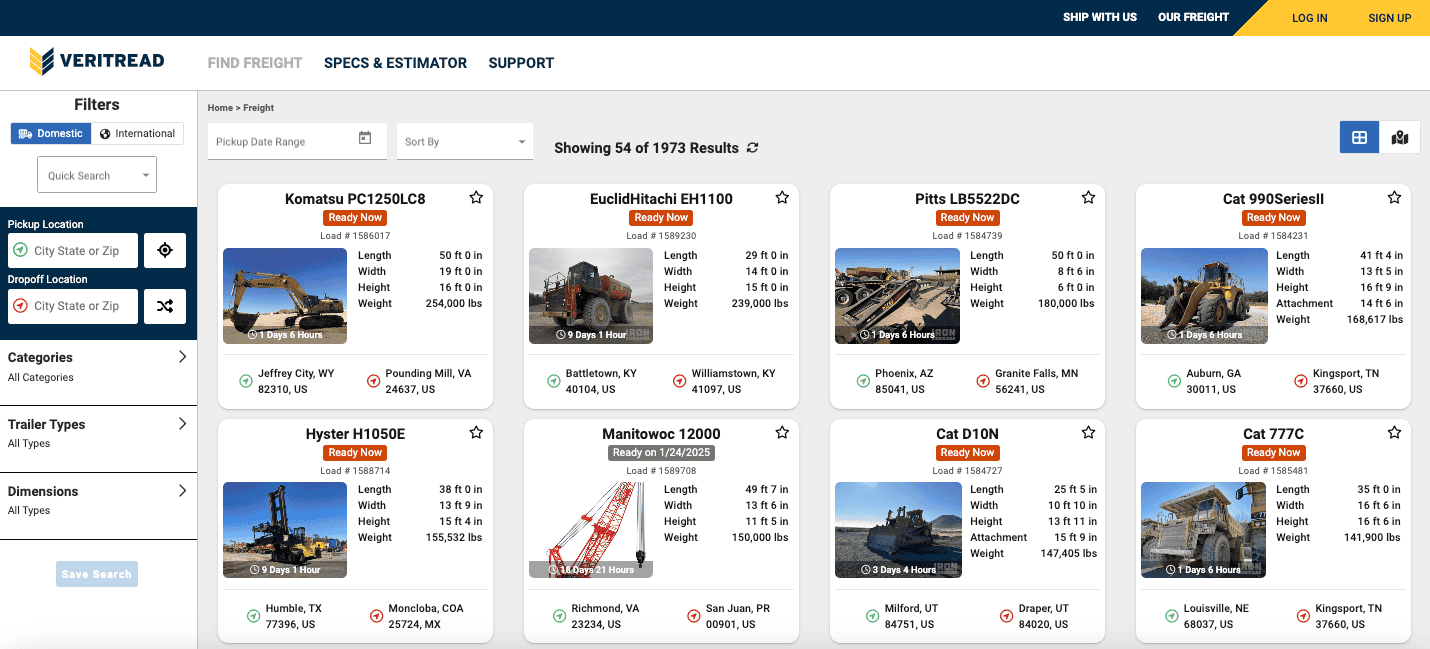
VeriTread has 100’s of loads that you won’t find anywhere else with new loads listed every day. When you complete a profile on VeriTread, we learn detailed information about your equipment, your capabilities, and the areas you service. We combine this information with our patent pending freight matching technology to proactively find you the best paying freight available. VeriTread is reserved only for carriers, brokers, and forwarders, who are properly bonded, licensed and insured which reduces overall risk as well as rates at a fair and profitable level.
FAQs
Is hotshot trucking profitable?
It can be profitable when your rates per mile exceed your true costs per mile and you keep deadhead miles low; results vary by market, equipment, and consistency.
How much does it cost to start hotshot trucking?
Startup costs vary by truck, trailer, insurance, and permits; many new operators plan for a broad ballpark range, then refine based on their specific equipment and lanes.
What hotshot loads pay the most?
Time-sensitive or specialized loads (like certain equipment or oversize) may pay more, but can require more capability, compliance, and planning.
How long does it take to get paid for a hotshot load?
Payment depends on the agreement; common terms include net 15 or net 30 after delivery paperwork is submitted.
Is hotshot hauling worth it?
It may be worth it if you can manage costs, stay compliant, and find consistent freight; the tradeoffs often include higher expenses, longer hours, and business risk.
veritread products
Top Articles
Freight Types
recent posts
January 17, 2025
Understanding Equipment Transport Services
When you need to move heavy machinery, large vehicles, or other specialized equipment, finding the right transportation service can
January 17, 2025
Understanding Load Board Prices
Quick answer: Load board prices usually depend on the access level you choose, the search and rate tools included, broker-vetting
January 17, 2025
Choosing the Best Equipment Hauling Companies
Quick answer: Equipment hauling companies move heavy machinery, construction equipment, farm equipment, and oversized loads by matching the shipment to