
Understanding Load Board Prices
January 17, 2025
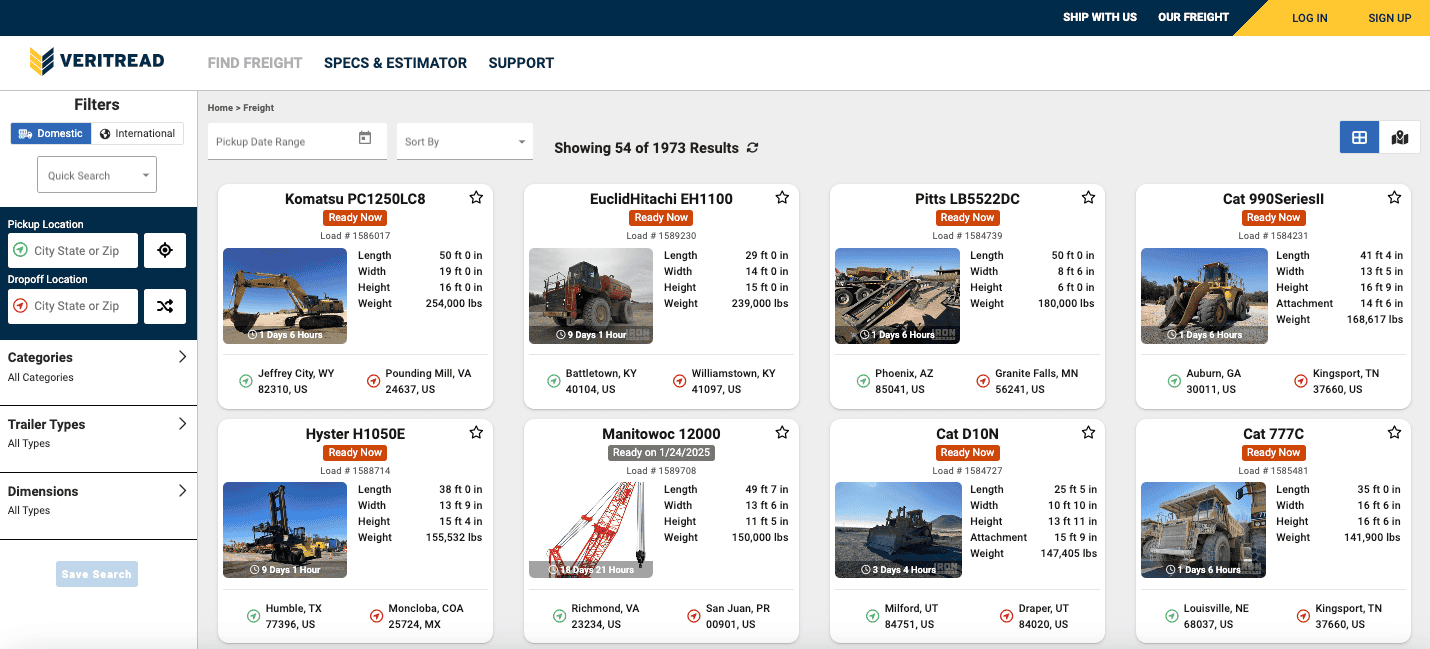
Quick answer: Load board prices usually depend on the access level you choose, the search and rate tools included, broker-vetting features, mobile workflow, and the type of freight you run. Carriers comparing load boards should look beyond the monthly fee and weigh lane fit, equipment relevance, time savings, and support before deciding which platform offers the best value.
When it comes to equipment transportation services, load boards are important tools for connecting carriers with freight opportunities. But understanding load board prices can be harder than it looks because the real value depends on more than just the advertised monthly fee.
In this guide, we’ll explain what affects load board pricing, how subscription tiers usually differ, what extra costs carriers should review, and how to compare price against actual value. We’ll also cover how load boards compare with traditional freight matching methods and what to check before paying for access.
Outline:
- What Factors Influence Load Board Pricing Structures?
- How Do Subscription Tiers Differ Among Popular Load Boards?
- Are There Additional Fees Beyond the Subscription Cost on Load Boards?
- How Do Load Board Prices Compare to the Value and Features Offered?
- What Are the Potential Cost Savings of Using Load Boards Compared to Traditional Freight Matching Methods?
- Preparation Checklist Before You Pay for a Load Board
- FAQs About Load Board Prices
Navigating the logistics industry requires practical tools and clear cost expectations. Different load boards serve different freight types, operating models, and experience levels, so the right choice depends on how often you book loads, what equipment you run, and how much decision support you need inside the platform.
What Factors Influence Load Board Pricing Structures?
Load board prices are usually shaped by a mix of platform depth, freight specialization, and workflow tools. In most cases, carriers are paying for some combination of reach, speed, filtering, and decision support.
- Access level: Basic access may include load searches and limited posting tools, while higher tiers often unlock more filters, alerts, and visibility.
- Search and rate tools: A load board with rates, market signals, or stronger search filters may cost more because it helps carriers make faster decisions.
- Freight specialization: Platforms serving specialized equipment, power-only freight, or harder-to-source lanes may price differently than broader general-freight boards.
- Network quality: A larger or better-vetted network of brokers, shippers, and carriers can increase platform value and affect subscription pricing.
- Workflow features: Mobile access, saved searches, alerts, compliance tools, and integrations can all influence what you pay.
- Support and verification: Broker checks, account support, and fraud-risk controls may be included only at higher levels.
For carriers, the key question is not just “how much do load boards cost?” but “what does that price actually help me do faster, safer, or more profitably?”
How Do Subscription Tiers Differ Among Popular Load Boards?
Most load boards separate features by tier so that smaller operators can start with basic functionality while larger or more specialized carriers can pay for more visibility and efficiency.
- Starter tiers: Usually focus on basic load search, simple posting tools, and limited filters.
- Mid-tier plans: Often add stronger alerts, better filtering, mobile tools, and more workflow support.
- Advanced tiers: May include richer rate visibility, broker-vetting tools, reporting, and broader operational support.
That distinction matters because a lower-priced plan is not always the better fit. If you depend on fast alerts, specialized freight, or more detailed screening, a stripped-down subscription can cost more in missed opportunities than it saves in monthly fees.
Carriers evaluating power-only or specialized opportunities may also want to review Power Only Loads: Everything You Need to Know for more context on equipment fit and freight type.
Are There Additional Fees Beyond the Subscription Cost on Load Boards?
The advertised base fee is not always the full picture. Some platforms keep pricing simple, but others place valuable tools or services behind higher tiers, add-ons, or account limits.
- User or seat limits: Team access may require additional paid seats.
- Premium data tools: Rate insights, advanced alerts, or deeper broker information may not be included in lower plans.
- Optional service bundles: Some platforms also offer adjacent tools or services that change the total monthly cost.
- Contract terms: Carriers should review cancellation terms, billing structure, and any minimum commitment before signing up.
- Operational extras: Mobile convenience, support responsiveness, and screening features can affect value even when they are not listed as separate fees.
It also helps to understand when a self-service load board is the right tool and when a broker relationship may play a different role in your workflow. For related context, see What Is a Freight Brokerage Company?.
How Do Load Board Prices Compare to the Value and Features Offered?
Price only tells part of the story. The better comparison is whether a platform helps you find relevant loads faster, vet opportunities more confidently, and reduce time spent searching.
- Lane relevance: The best value comes from boards that consistently surface loads that match your preferred lanes and equipment.
- Equipment fit: If you haul specialized freight, general volume alone may not matter as much as the quality of the matches.
- Speed: Faster alerts and better filtering can save time and improve response windows.
- Decision support: Rate visibility, posting quality, and shipper or broker context can improve how confidently you evaluate opportunities.
- Usability: A clear interface and dependable mobile workflow can reduce friction for dispatchers and owner-operators alike.
If you are comparing so-called best paying load boards, look at fit and execution first. “Best paying” is rarely about the label itself; it is usually about whether the platform regularly surfaces freight that matches your lanes, equipment, and operating model.
For hotshot-oriented readers exploring adjacent options, this guide is a strong next step: How to Find the Best Hot Shot Freight Brokers.
What Are the Potential Cost Savings of Using Load Boards Compared to Traditional Freight Matching Methods?
When the platform matches your operation, load boards can create savings through speed, visibility, and more direct control over how you source freight.
- More self-directed sourcing: Carriers can review and pursue opportunities without relying entirely on slower manual outreach.
- Less idle time: Better load visibility can help reduce downtime between jobs.
- Faster decision-making: Search tools and alerts can shorten the time spent hunting for the next load.
- More selective booking: Better filtering can help carriers focus on loads that match their equipment, service area, and operating goals.
That does not mean every board will create the same savings. The right fit depends on how often you need freight, how specialized your operation is, and whether the board supports your day-to-day workflow.
Preparation Checklist Before You Pay for a Load Board
Before choosing a load board subscription, it helps to define what “value” means for your business.
- List the freight types, equipment, and lanes you care about most.
- Decide which tools are required versus optional for your workflow.
- Set minimum thresholds for response speed, load detail, and broker or shipper visibility.
- Review whether the platform supports your team size, mobile workflow, and dispatch needs.
- Compare the total cost of access, not just the base subscription headline.
- Make sure the freight opportunities shown are relevant to how you actually operate.
Why Join VeriTread As A Transport Provider?
VeriTread has hundreds of loads that you won’t find anywhere else, with new loads listed every day. When you complete a profile on VeriTread, we learn detailed information about your equipment, your capabilities, and the areas you service. We use that information to help match you with relevant freight opportunities. VeriTread is reserved only for carriers, brokers, and forwarders who are properly bonded, licensed, and insured, which helps support a more professional freight network.
FAQs About Load Board Prices
What affects load board prices?
Load board prices usually depend on access level, search tools, rate data, broker-vetting features, mobile access, and the type of freight you run. Specialized freight tools and broader network access often increase the monthly cost.
How do load board subscription tiers differ?
Entry-level plans usually cover basic search and posting tools, while higher tiers add faster alerts, better filtering, rate insights, broker checks, reporting, and support. The best plan depends on how often you book loads and how specialized your equipment is.
Are there fees beyond the monthly subscription?
Some load boards bundle extra services or reserve certain tools for higher-priced plans, so the full cost is not always the advertised base fee. Carriers should review add-ons, user limits, contract terms, and optional services before subscribing.
How do you compare load board value, not just price?
Compare the quality of available loads, the relevance to your lanes and equipment, the speed of alerts, the depth of shipper or broker information, and the time saved finding freight. A lower monthly price is only a better value if it helps you keep trucks moving.
When does a load board make more sense than traditional freight matching?
A load board can make more sense when you need broader load visibility, faster lead times, and more control over which shipments you pursue. For carriers that value speed and self-service, that can reduce empty miles and time spent sourcing freight.
veritread products
Top Articles
Freight Types
recent posts
January 17, 2025
Understanding Equipment Transport Services
When you need to move heavy machinery, large vehicles, or other specialized equipment, finding the right transportation service can
January 17, 2025
Understanding Load Board Prices
Quick answer: Load board prices usually depend on the access level you choose, the search and rate tools included, broker-vetting
January 17, 2025
Choosing the Best Equipment Hauling Companies
Quick answer: Equipment hauling companies move heavy machinery, construction equipment, farm equipment, and oversized loads by matching the shipment to