
Power Only Loads – Everything you need to know
February 10, 2023
Quick answer: Power only loads are shipments where the carrier provides the tractor and driver, while the shipper or 3PL provides the trailer. This setup is useful when a loaded trailer is ready to move but the shipper does not have enough tractor or driver capacity.
In most cases, power only pricing depends on distance, trailer type, weight, timing, appointment requirements, and accessorials such as detention or layovers. Shippers often use power only to keep trailers moving, add flexible capacity, and cover seasonal or surge freight.
What it is | Shipments | How it works | When to use it | Pricing factors | Load board | Checklist | FAQs
What is power only in trucking?

Power only trucking means a carrier provides only a driver and a tractor (also known as a “power unit”), while the trailer is supplied by the shipper, broker, or 3PL.
For power only loads, the driver does not bring a trailer, but instead hooks up to and hauls a trailer that is either leased or owned by a third-party logistics provider or shipper. This is a practical option when a trailer is already loaded, staged, or part of a drop-and-hook operation.
Power only carriers can haul multiple trailer types:
- Flatbed & open deck trailers
- Dry vans
- Refrigerated trailers
- Shipping containers
If your shipment uses open deck equipment, review flatbed freight dimensions before requesting quotes so trailer size, deck space, and freight fit are clearly defined.
What are power only shipments?

Power only shipments are loads moved on a trailer that is already supplied by the shipper, broker, or 3PL instead of by the carrier. In simple terms, the carrier brings the power unit, and the shipper provides the trailer.
Common use cases include preloaded dry vans, seasonal reefer freight, container moves, and trailer pools where keeping freight staged and ready matters more than having a dedicated tractor assigned to each trailer.
- Preloaded trailers that are ready for pickup
- Shipper-owned or leased trailer fleets
- Seasonal surges that require extra tractor capacity
- Drop-and-hook operations that reduce loading delays
How does power only work?

When a shipper has a load of freight but no tractor or driver to haul it, they can connect with a power-only trucking company directly or work with a broker to find the right carrier.
- The shipper loads and stages the trailer.
- The shipment details are shared – trailer type, commodity, weight, dimensions, pickup and delivery locations, and timing.
- A carrier is matched to the trailer and sends only the tractor and driver.
- The driver hooks to the trailer, completes the move, and follows the required schedule and handling instructions.
- The trailer is delivered or dropped based on the shipment plan.
This process works especially well when shippers want to keep trailers loaded ahead of time, reduce idle time, or add capacity without expanding their own tractor fleet.
When does power only make sense?
Power only is usually a strong fit when trailer control and trailer utilization matter more than who owns the tractor. It is commonly used in these situations:
- Seasonal spikes: reefer, retail, and project freight often need more tractor capacity during peak periods.
- Preloaded trailer programs: freight can be loaded in advance and moved when the shipment is ready.
- Drop-and-hook operations: shippers can reduce dwell time and keep facilities moving faster.
- Backup capacity: power only can help cover breakdowns, staffing shortages, or sudden demand changes.
- Specialized trailer control: some shippers prefer to supply their own trailers because of equipment requirements or operating preferences.
What affects power only pricing?
Power only pricing is usually quote-based rather than one-size-fits-all. The most common cost factors are:
- Distance and lane: regional versus long-haul moves, plus origin and destination market conditions.
- Trailer type: flatbed, dry van, reefer, container, and specialized trailers can change the available carrier pool.
- Freight details: weight, dimensions, securement needs, and any temperature-control requirements.
- Timing: same-day, after-hours, weekend, or tight appointment windows can affect pricing.
- Accessorials: detention, layovers, tarping, permits, loading help, and extra stops can all change the final quote.
- Trailer readiness: a staged, loaded, compliant trailer is usually easier to price than one with incomplete details.
For a better understanding of marketplace-related pricing, see understanding load board prices.
What is the best power only load board?
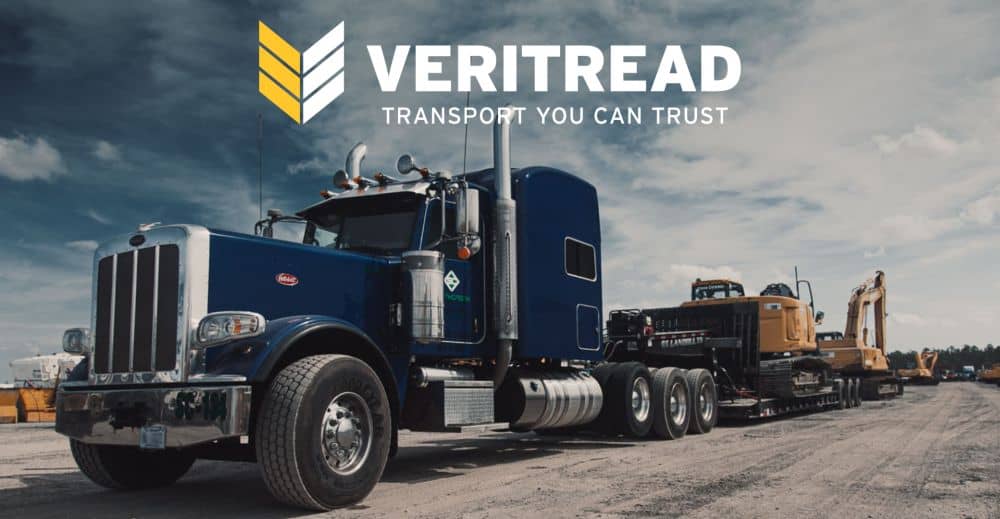
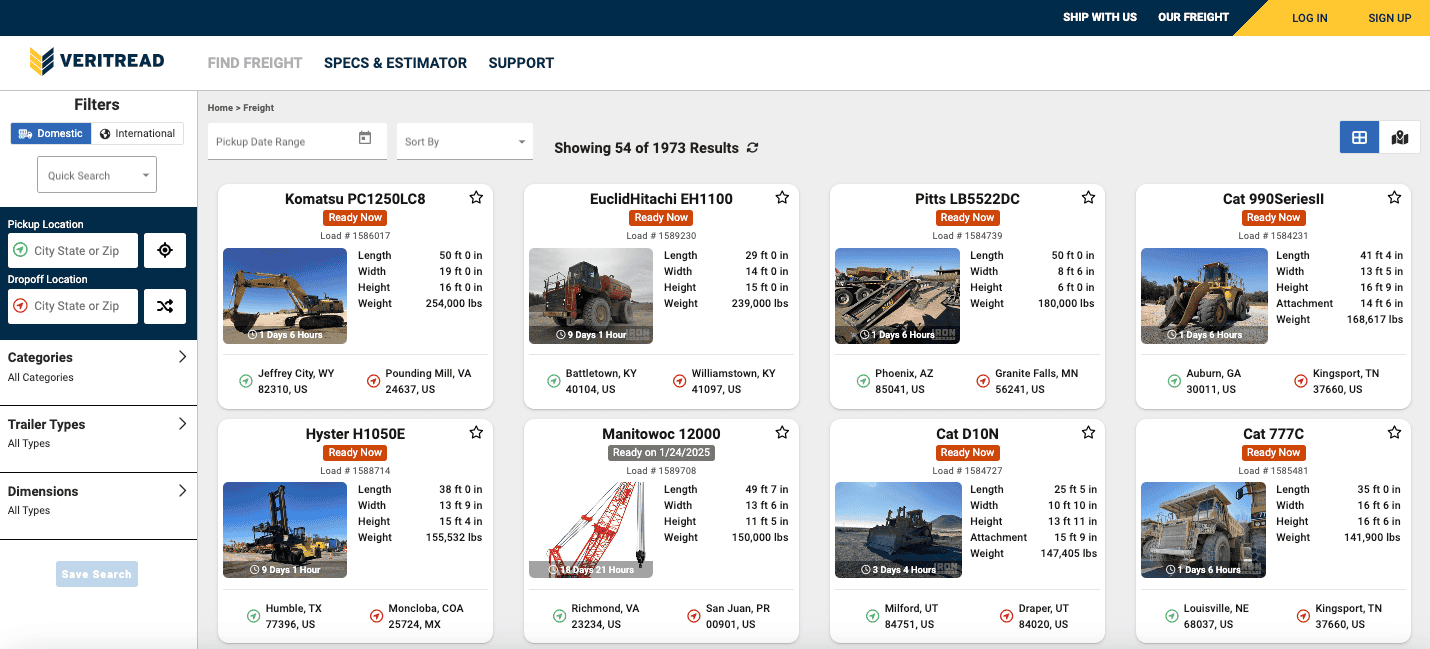
The best power only load board is the one that matches your trailer type, lane, timing, and carrier-vetting requirements. For shippers, the goal is not just posting a load – it is finding a carrier that fits the equipment, schedule, and service level the shipment requires.
VeriTread moves thousands of Power Only loads every year and can quickly generate a reliable estimate on the go. Our extensive specs and dimensions database of 60,000+ items ensures you spend less time researching and more time putting your equipment to work. The VeriTread Shipper quote process is a simple way to receive competitive quotes from vetted transport providers.
Follow these easy steps:
- Select Ready To Ship from the Freight Options Page
- Enter a Manufacturer & Model
- Verify or Edit Your Machine Dimensions
- Enter Pickup & Drop Off Locations
- Your Quote is Ready!
If you are comparing providers, review how to choose the safest carrier so authority, insurance, communication, and equipment fit are part of your decision.
Power only checklist for shippers
- Confirm the trailer type, dimensions, and condition before pickup.
- Verify commodity details, weight, securement needs, and any temperature-control requirements.
- Share pickup and delivery contacts, appointment windows, and site access details.
- Call out any extra services such as loading help, tarping, escorts, or permits.
- Make sure the trailer is ready, legal, and accessible when the tractor arrives.
- Keep BOL instructions, reference numbers, and location notes ready for dispatch.
Questions? Contact us at (800) 880-0468 or (863) 226-0903 and let our team help you review your transport options.
FAQs
What is power only in trucking?
Power only trucking means the carrier provides the tractor and driver, while the shipper or 3PL provides the trailer.
What are power only shipments?
Power only shipments are loads moved on a shipper-supplied or leased trailer instead of a carrier-supplied trailer.
How does power only work?
The shipper loads the trailer, shares the shipment details, and books a carrier that brings only the tractor and driver to pick up, haul, and deliver the trailer.
What is a power unit in trucking?
A power unit is the tractor that provides the engine and pulling power for the trailer.
What affects power only pricing?
Power only pricing usually depends on distance, trailer type, weight, timing, appointment requirements, and accessorials such as detention or layovers.
What is the best power only load board?
The best power only load board is the one that fits your trailer type, lane, timing, and carrier-vetting requirements.
veritread products
Top Articles
Freight Types
recent posts
January 17, 2025
Understanding Equipment Transport Services
When you need to move heavy machinery, large vehicles, or other specialized equipment, finding the right transportation service can
January 17, 2025
Understanding Load Board Prices
Quick answer: Load board prices usually depend on the access level you choose, the search and rate tools included, broker-vetting
January 17, 2025
Choosing the Best Equipment Hauling Companies
Quick answer: Equipment hauling companies move heavy machinery, construction equipment, farm equipment, and oversized loads by matching the shipment to