
The Future of Heavy Haul Transport
May 14, 2024
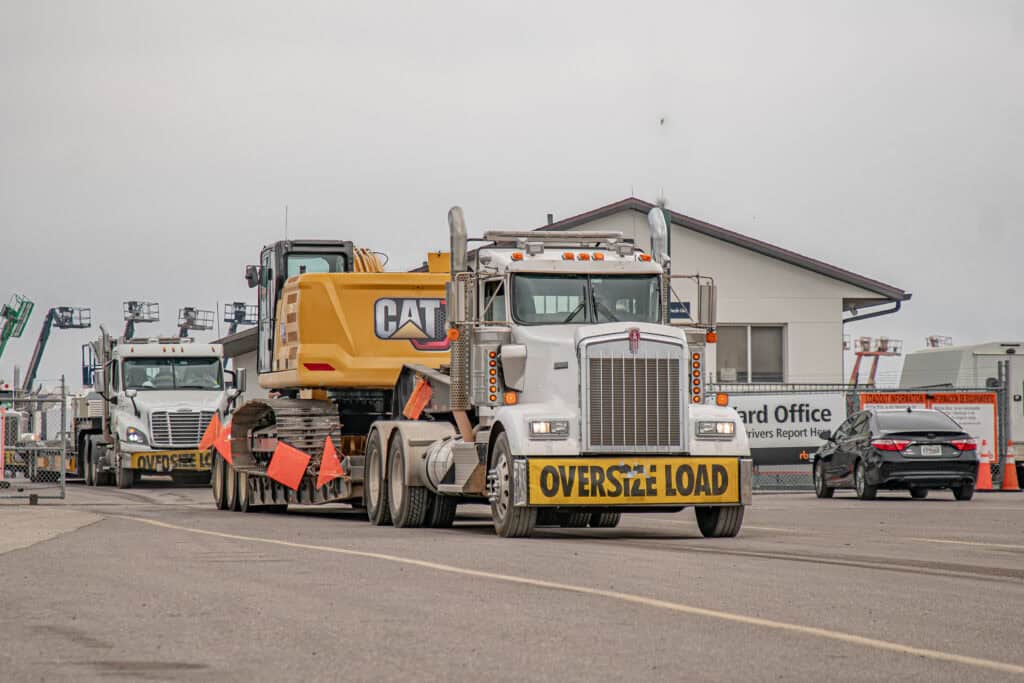
Heavy haul trucking trends, in brief:
The future of heavy haul transport is being shaped by better route planning, telematics, predictive maintenance, automation-assisted safety systems, and digital freight tools that make specialized moves easier to coordinate. For carriers, brokers, and shippers, the biggest shift is toward more visible, more compliant, and more data-driven heavy haul operations.
Heavy haul transportation is changing quickly, but the fundamentals still matter: the right trailer, the right route, the right permits, and qualified people coordinating every step of the move. What is changing is how those decisions get made. Better software, better visibility, and better communication are helping businesses reduce delays, manage risk, and improve the customer experience across specialized freight moves.
Outline:
- What Is Heavy Haul Trucking?
- What are the Emerging Trends Shaping the Future of the Heavy Haul Transportation Industry?
- How is Technology Changing the Way Heavy Haul Transport Services are Provided?
- What Role Will Automation Play in the Future of Heavy Haul Transportation?
- How Can Businesses Adapt to the Changing Landscape of the Heavy Haul Transport Industry?
- What are the Potential Challenges and Opportunities for the Heavy Haul Transport sector in the Coming Years?
- How Might These Changes Affect Heavy Haul Costs?
- FAQs About Heavy Haul Trucking Trends
What Is Heavy Haul Trucking?
Heavy haul trucking refers to moving oversized, overweight, or highly specialized freight that requires specialized trailers, careful route planning, permits, and close coordination between dispatch, drivers, escorts, and customers. In practice, heavy haul transportation often overlaps with oversize load planning, equipment selection, compliance checks, and high-touch communication before a shipment ever reaches the road.
If you need a closer look at oversize definitions and permit-related basics, see Understanding Oversized Loads. If route complexity is the main concern, Route Planning for Heavy Equipment Transport is a useful companion resource.
What are the Emerging Trends Shaping the Future of the Heavy Haul Transportation Industry?
The biggest trends are not just new trucks or new trailers. They are better data, better planning, and better coordination. Heavy haul businesses that invest in visibility and compliance workflows are better positioned to manage complex moves efficiently.
Technology options and operating shifts carriers are adopting
- Telematics and real-time visibility: GPS tracking, trailer visibility, equipment health monitoring, and live status updates help teams react faster and communicate more clearly.
- Permit-aware routing: Better route planning tools help teams account for bridge clearances, road restrictions, axle limits, and detours before a move begins.
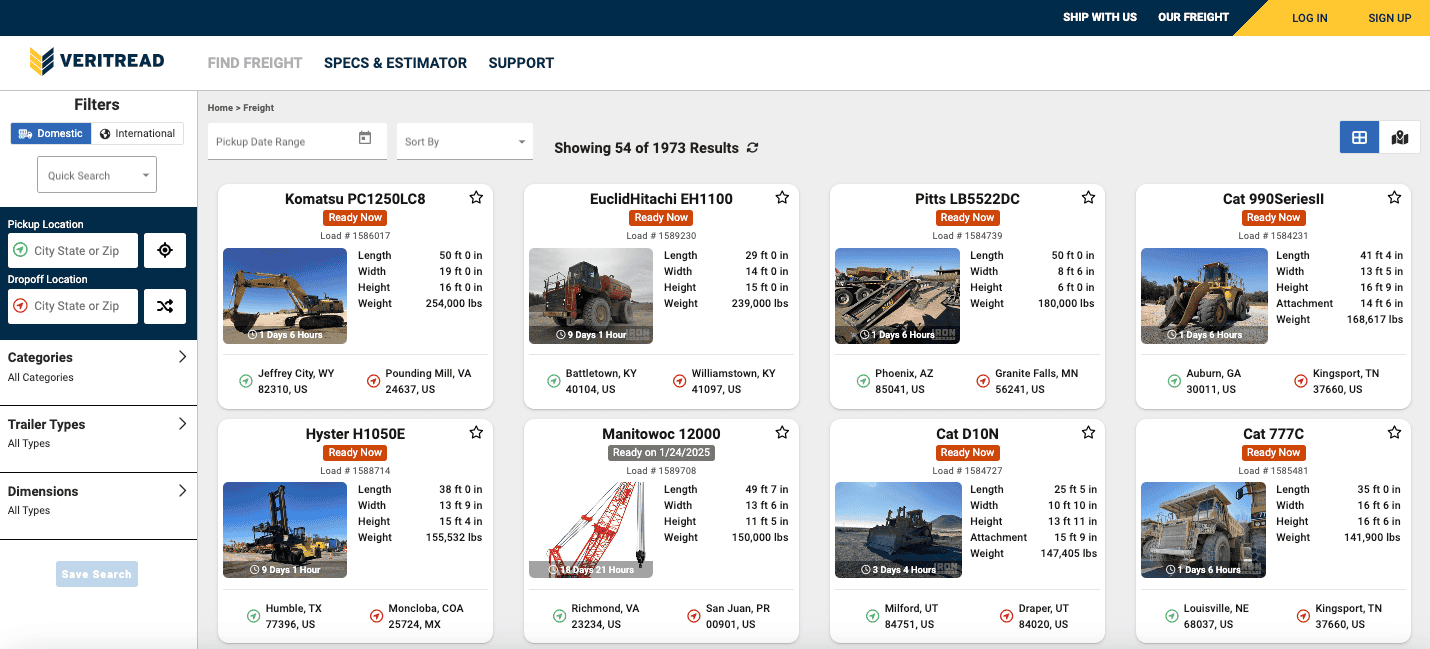
- Digital freight matching: Digital platforms make it easier to match specialized loads with available equipment and qualified carriers.
- Predictive maintenance: Fleet data helps reduce avoidable downtime by identifying service issues before they become major disruptions.
- Safety-focused automation: Driver-assistance systems and workflow automation help reduce fatigue, paperwork delays, and preventable mistakes.
- Sustainability through efficiency: Most heavy haul operators still focus first on uptime and compliance, but route optimization and reduced idling can also support lower fuel waste.
These trends matter because heavy haul transportation is operationally demanding. Small improvements in planning, communication, and uptime can produce meaningful gains across multi-step moves.
How is Technology Changing the Way Heavy Haul Transport Services are Provided?
Technology is making heavy haul transportation more visible, more data-driven, and easier to coordinate. The biggest gains usually come from practical tools that improve planning, documentation, and communication rather than from flashy, all-or-nothing transformation projects.
- Enhanced route planning and permitting: Modern tools help teams identify route restrictions earlier, reduce manual back-and-forth, and keep moves aligned with permit requirements.
- Improved communication and tracking: Dispatchers, drivers, brokers, and customers all benefit when the same shipment information is easier to access in real time.
- Maintenance and reduced downtime: Telematics and inspection data can highlight service issues before they lead to roadside failures or missed timelines.
- Digital documents and transparency: Sharing permits, rate confirmations, weight details, invoices, and status updates digitally reduces friction and improves accountability.
Technology also makes it easier to document specialized moves, which is especially important when shipments involve multiple stakeholders, strict timing windows, or non-standard equipment.
What Role Will Automation Play in the Future of Heavy Haul Transportation?
Automation is more likely to support heavy haul professionals than replace them. Heavy haul work still depends on experienced people making judgment calls around safety, road conditions, permitting, load securement, and customer communication.
- ADAS and safety support: Lane monitoring, braking support, cameras, and other driver-assistance systems can improve awareness and reduce preventable incidents.
- Workflow automation: Automated checklists, dispatch alerts, document sharing, and exception reporting can cut admin time and reduce delays.
- Remote monitoring: Dispatch teams can monitor fleet conditions, location updates, and issue flags more efficiently across multiple moves.
- Human oversight remains critical: Permits, escorts, route changes, weather disruptions, and jobsite constraints still require experienced decision-making.
In other words, the near-term future of heavy haul transport is not driverless complexity. It is better-supported drivers, better-informed planners, and more consistent execution.
How Can Businesses Adapt to the Changing Landscape of the Heavy Haul Transport Industry?
Businesses adapt best when they focus on visibility, compliance, communication, and disciplined equipment planning. The goal is not adopting every new tool at once. The goal is choosing investments that remove friction from real moves.
How to choose where to invest first
- Start with planning problems: If route complexity and permit coordination are common pain points, invest in better routing and documentation workflows first.
- Start with uptime problems: If breakdowns or missed updates hurt service, telematics and maintenance tracking may offer faster returns.
- Start with communication gaps: If customers struggle to get status updates, improve live visibility and standard operating communication before adding more tools.
- Train around the workflow: New software helps most when drivers, dispatchers, and operations teams all use it consistently.
- Build partnerships carefully: Qualified carriers, brokers, forwarders, and technology providers can expand capabilities without overcomplicating operations.
Heavy haul readiness checklist
- Confirm dimensions, weight, axle requirements, and trailer fit before booking.
- Review route restrictions, permit timing, escort needs, and seasonal constraints.
- Check maintenance status, inspection routines, and communication procedures.
- Make sure key documents are easy to access and share digitally.
- Set customer expectations around milestones, delays, and status visibility.
- Use experienced, properly vetted partners for specialized or higher-risk moves.
What are the Potential Challenges and Opportunities for the Heavy Haul Transport sector in the Coming Years?
The outlook includes both pressure and opportunity. Infrastructure limitations, labor availability, safety expectations, and technology costs will remain real challenges. At the same time, better planning, stronger visibility, and smarter carrier-load matching can improve operational performance.
| Area | Challenge | Opportunity |
|---|---|---|
| Infrastructure | Road, bridge, port, and clearance limits can slow or complicate specialized moves. | Better route intelligence can reduce avoidable delays and improve compliance planning. |
| Compliance | Permit rules, escort requirements, and state-by-state restrictions remain complex. | Digital workflows can make documentation and status tracking easier to manage. |
| Labor | Experienced heavy haul drivers and planners remain hard to replace. | Training and workflow support can help teams execute more consistently. |
| Technology | New tools require money, process changes, and buy-in from the field. | The right tools can improve uptime, planning, communication, and customer trust. |
| Market demand | Specialized freight is sensitive to project timing and execution risk. | Specialized carriers with clear capabilities can stand out in a fragmented market. |
For perspective on extreme and specialized moves in this space, see Largest Heavy Haul Freight in History.
How Might These Changes Affect Heavy Haul Costs?
Heavy haul pricing will still be driven by complexity more than by a single technology trend. Load dimensions, weight, trailer type, permit requirements, pilot or escort needs, route difficulty, fuel, timing, and jobsite conditions remain core cost drivers.
Better route planning, better visibility, and better maintenance can reduce some avoidable costs over time, especially around delays, downtime, and administrative friction. But specialized moves will continue to price around risk, coordination effort, and equipment requirements rather than a simple flat-rate formula.
FAQs About Heavy Haul Trucking Trends
What is heavy haul trucking?
Heavy haul trucking is the movement of oversized, overweight, or specialized freight that requires specialized trailers, route planning, permits, and close coordination. In practice, it sits within a broader heavy haul transportation workflow that often includes compliance checks, escort requirements, and high-touch communication.
What trends are shaping the future of heavy haul transport?
The biggest trends are telematics, smarter route planning, digital freight matching, predictive maintenance, ADAS, and stronger pressure to run efficient, compliant operations. Sustainability is also becoming part of the conversation, but day-to-day adoption is still driven more by safety, uptime, and cost control than by marketing alone.
How is technology changing heavy haul transportation?
Technology is making heavy haul transportation more visible, more data-driven, and easier to coordinate across dispatchers, drivers, brokers, and shippers. The most practical gains come from real-time tracking, permit-aware routing, digital documents, and maintenance alerts that reduce avoidable downtime.
Will automation replace heavy haul drivers?
No—heavy haul still depends on experienced drivers, escorts, planners, and compliance teams to manage complex loads and changing road conditions. Automation is more likely to support drivers through ADAS, workflow automation, and remote monitoring than fully replace them in the near term.
What challenges will heavy haul carriers face in the coming years?
The biggest challenges are infrastructure constraints, permit complexity, safety expectations, labor availability, and the cost of adopting new tools. The biggest opportunities are better planning, better visibility, stronger customer communication, and more efficient matching between specialized loads and qualified carriers.
Why Join VeriTread As A Transport Provider?
VeriTread has 100’s of loads that you won’t find anywhere else, with new loads listed every day. When you complete a profile on VeriTread, the platform can match freight opportunities to your equipment, capabilities, and service areas. VeriTread is reserved for carriers, brokers, and forwarders who are properly bonded, licensed, and insured, which helps support a more qualified freight network.
veritread products
Top Articles
Freight Types
recent posts
January 17, 2025
Understanding Equipment Transport Services
When you need to move heavy machinery, large vehicles, or other specialized equipment, finding the right transportation service can
January 17, 2025
Understanding Load Board Prices
Quick answer: Load board prices usually depend on the access level you choose, the search and rate tools included, broker-vetting
January 17, 2025
Choosing the Best Equipment Hauling Companies
Quick answer: Equipment hauling companies move heavy machinery, construction equipment, farm equipment, and oversized loads by matching the shipment to